Future Health Pharmacy

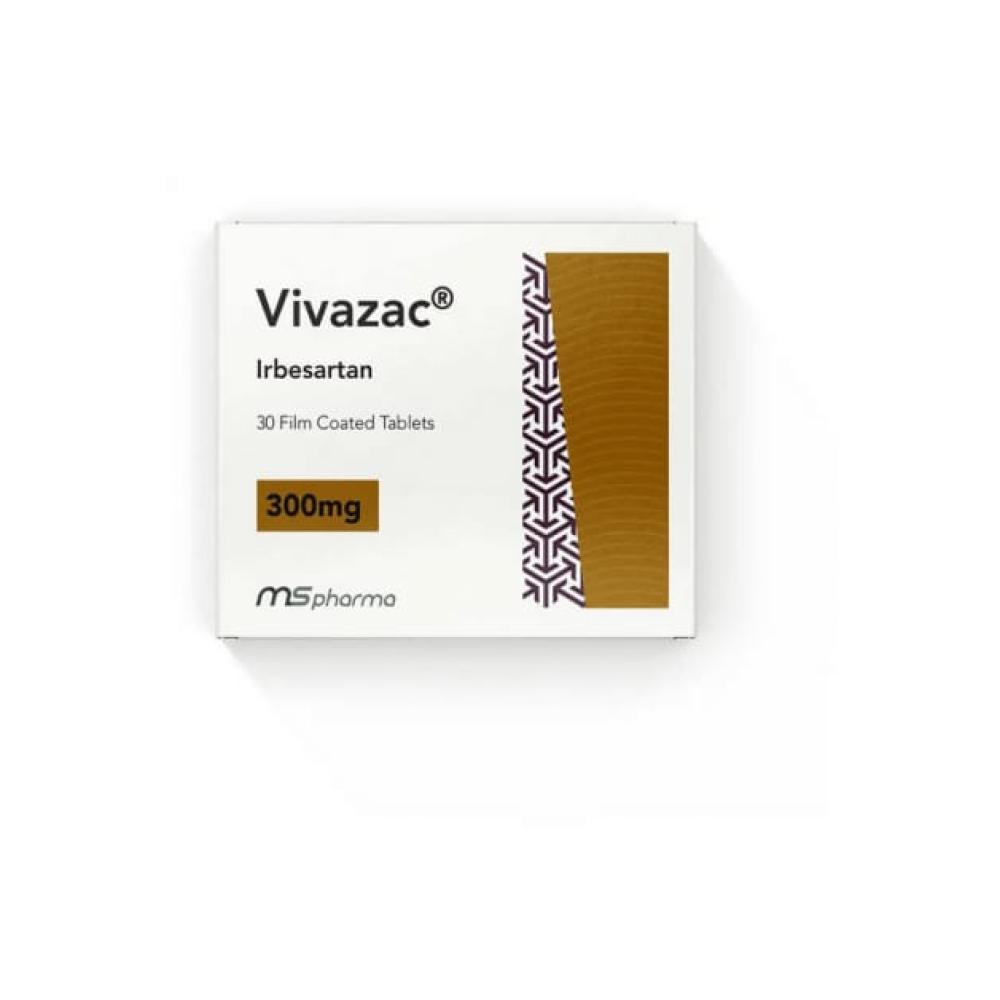
Vivisalc 300 mg 30 tablets

26.85

Out of Stock

26.85

Out of Stock

Product Description:

  • Vivisac belongs to a group of medications known as angiotensin II receptor antagonists. Angiotensin II is a substance produced in the body that binds to receptors in blood vessels, causing them to constrict and leading to increased blood pressure. Vivisac prevents angiotensin II from binding to these receptors, causing blood vessels to relax and blood pressure to decrease.
  • Vivisac slows the decline in kidney function in patients with high blood pressure and type 2 diabetes.

Therapeutic uses:

Vivisac is used in adult patients for:

  • Treatment of high blood pressure (essential blood pressure)
  • Kidney protection in patients with hypertension, type 2 diabetes, and laboratory evidence of impaired renal function.

Directions for use:

  • Always take Vivisac tablets exactly as your doctor or pharmacist has told you. Check with your doctor or pharmacist if you are not sure.

How to give:

  • Vivisac is for oral use. Swallow the tablets with plenty of liquid (such as a glass of water). You can take Vivisac with or without food. Try to take your daily dose at about the same time each day. It is important to continue taking Vivisac until your doctor tells you otherwise.
  • The usual dose is 150 mg taken once daily. The dose may be increased to 300 mg taken once daily depending on how well blood pressure is controlled.

Patients with high blood pressure and type 2 diabetes with kidney disease:

  • In patients with hypertension and type 2 diabetes, 300 mg (two tablets daily) is given once daily as the preferred maintenance dose for the treatment of associated kidney disease.
  • Your doctor may recommend a lower dose, especially when starting treatment for certain patients, such as those on dialysis or those over 75 years of age.
  • The maximum antihypertensive effect should be achieved within 4-6 weeks after the start of treatment.

Use in children and adolescents.

  • Vivisac should not be given to children under 18 years of age. If a child swallows any tablets, contact your doctor immediately.
  • If you take more Vivisac than you should.
  • If you accidentally take too many tablets, contact your doctor immediately.

Symptoms and signs:

  • Studies in adults taking doses up to 900 mg daily for 8 weeks have not revealed any signs of toxicity. Low blood pressure and tachycardia are expected to be the most likely symptoms of overdose. Slow heart rate may also occur with overdose. No specific information is available regarding the treatment of overdose with Vivisac.

Treatment :

  • The patient should be closely monitored, and symptomatic and supportive treatment should be administered. Suggested measures include induction of emesis and/or gastric lavage. Activated charcoal may be useful in treating overdose. Irbesartan is not removed by hemodialysis.

If you forget to take Vivisac tablets :

  • If you accidentally miss your daily dose, just take the next dose as usual. Do not take a double dose to make up for the missed dose.
  • If you have any further questions on the use of this medicine, ask your doctor or pharmacist.

If you stop taking Vivisac tablets :

  • Do not stop taking Vivisac tablets unless your doctor tells you to. You should stop taking Vivisac tablets gradually, especially if you are taking a high dose, unless your doctor tells you otherwise. Stopping treatment suddenly may cause sudden effects such as increased heart rate and high blood pressure. If you have any further questions on the use of this medicine, ask your doctor or pharmacist.

Warnings and Precautions:

Do not take Vivisac if you:

  • If you are allergic (hypersensitive) to larbesartan or any of the other ingredients.
  • During the last six months of pregnancy (it is best to avoid taking Vivisac at the beginning of pregnancy).
  • You have diabetes or impaired kidney function and are being treated with a blood pressure lowering medication containing aliskiren.

Precautions when using Vivisac tablets :

Tell your doctor if any of the following apply to you:

  • If you suffer from excessive vomiting or diarrhea.
  • If you suffer from kidney problems.
  • If you suffer from heart problems.
  • If you are taking Vivisac for diabetic kidney disease, your doctor may perform routine blood tests, especially to measure potassium levels in your blood if your kidneys are impaired.
  • If you are planning to have surgery or undergo anesthesia.

If you are taking any of the following medications used to treat high blood pressure:

  • Angiotensin-converting enzyme (ACE) inhibitors (eg, enalapril, lisinopril, ramipril), especially if you have kidney problems related to diabetes.
  • Aliskiren
  • Your doctor may check your kidney function, blood pressure, and the amount of electrolytes (for example, potassium) in your blood at regular intervals.
  • You should tell your doctor if you think you are (or may become) pregnant. Irbesartan is not recommended in early pregnancy and may cause serious harm to your baby after 3 months of pregnancy.

Children and adolescents:

  • This medicine should not be used in children and adolescents because its safety and effectiveness have not been fully established.

the components:

  • The active ingredient is: Irbesartan.
  • Vivisac 150 mg: Each tablet contains 150 mg of irbesartan.
  • Package size: 30 coated tablets (10 tablets/strip, 3 strips/box)


Vivisalc 300 mg 30 tablets

26.85 SAR

Out of Stock